The Last Real Coffee Houses of Budapest
/Budapest has become one of Europe's great city-break destinations, and with that success came an explosion of trendy cafés, brunch spots and Instagram-famous coffee houses.
There is nothing wrong with good coffee or beautiful interiors. The problem is that many visitors leave Budapest having experienced a version of the city designed almost entirely for tourists.
The real Budapest coffee culture is something different.
It is slower.
Less polished.
More authentic.
If your Budapest coffee itinerary includes New York Café but not Bambi, you are seeing a performance of Budapest rather than Budapest itself. The same applies if you've queued for a photograph but never sat for an hour in Maródi watching the city go by.
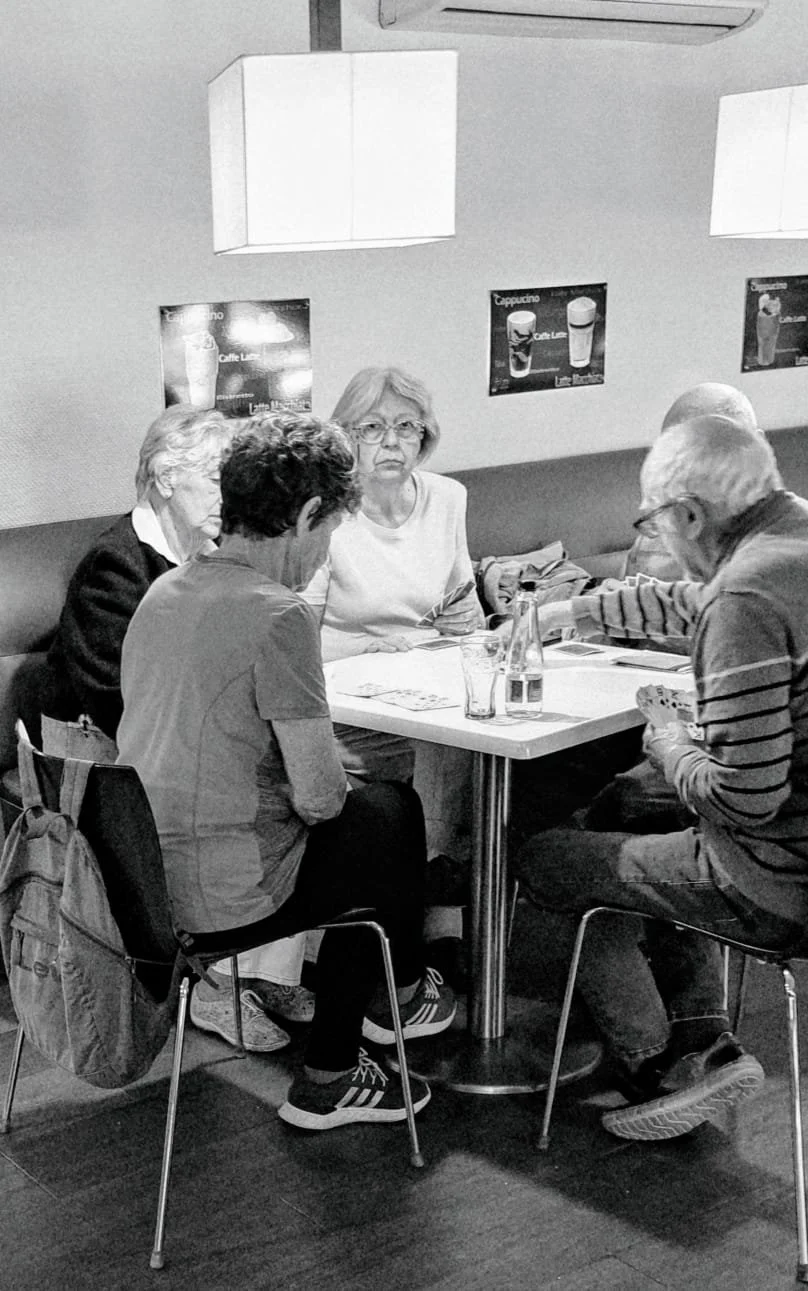
These are places where locals still meet friends, read newspapers, discuss politics, play cards, write, gossip and watch the world go by. Some are elegant and historic. Others are gloriously unchanged since the Communist era. None of them need neon signs or queues around the block to prove their worth.
If you want to experience Budapest through its coffee houses rather than simply photograph them, start here.
1. Bambi Presszó
Address: Frankel Leó út 2-4, Budapest
Website: https://bambipresszo.hu
If I had to choose just one place on this list, it would probably be Bambi.
Opened in 1961, Bambi is one of the last surviving examples of a traditional socialist-era presszó. The décor feels untouched, the atmosphere is completely unpretentious, and the terrace remains filled with local residents rather than influencers searching for the perfect angle.
Come for the atmosphere, not because somebody told you it serves the city's best espresso.
This is Budapest as it once was.
Why go?
• One of the last authentic Communist-era cafés in the city
• Genuine local clientele
• Excellent people watching
• A piece of living Budapest history
2. Művész Kávéház
Address: Andrássy út 29, Budapest
Website: https://www.muveszkavehaz.com
Located opposite the Opera House, Művész has long been a favourite meeting place for actors, musicians, writers and Budapest intellectuals.
Unlike some of the grand cafés that now feel more like attractions, Művész still functions as a real neighbourhood coffee house. Elegant without being intimidating, historic without feeling staged.
Why go?
• Beautiful historic interior
• Strong connection to Budapest's artistic life
• Less touristy than many famous alternatives
• Excellent cakes and pastries
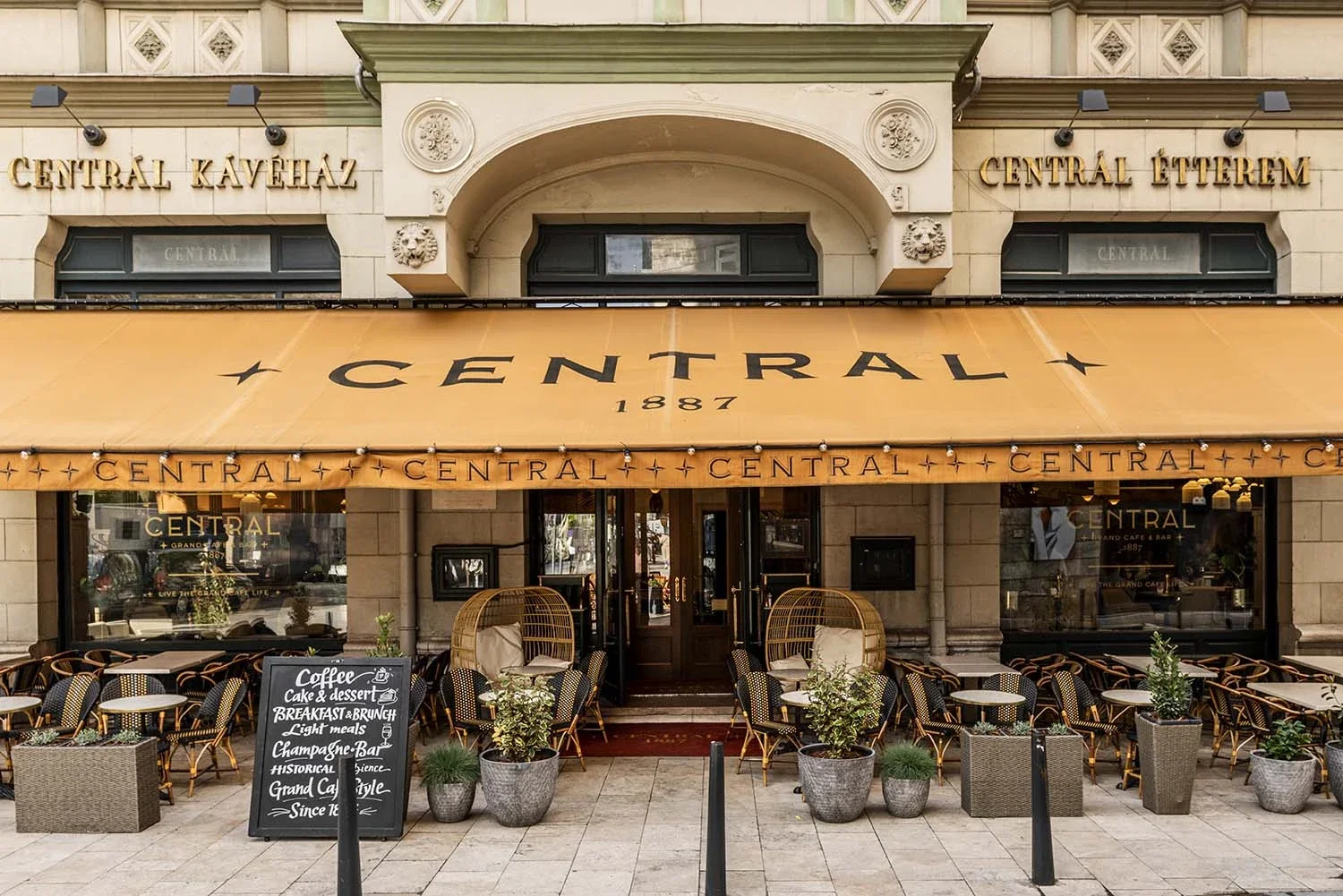
3. Centrál Kávéház
Address: Károlyi utca 9, Budapest
Website: https://centralgrandcafe.hu
Founded in the nineteenth century, Centrál was once one of the great literary cafés of Hungary.
Writers, editors, journalists and poets met here regularly, shaping much of Hungary's cultural life. Today it is more polished than it once was, but it still retains far more authenticity than many better-known competitors.
Why go?
• Rich literary history
• One of Budapest's most important historic cafés
• Beautiful setting without feeling overly theatrical
• Ideal for a slow breakfast
4. Caffé Dolce Napoli
Address: Vámház körút area, near the Great Market Hall
Website: https://dolcenapoli.hu
A little slice of southern Italy in Budapest.
While technically not a traditional Hungarian coffee house, this is exactly the sort of place I love discovering. Real Italian coffee, Italian pastries, regular customers and an atmosphere that feels genuine rather than manufactured.
Located close to the Great Market Hall, it makes an excellent stop before or after exploring one of Budapest's most interesting neighbourhoods.
Why go?
• Authentic Italian atmosphere
• Proper espresso
• Excellent pastries
• Convenient location near the market
5. Auguszt Cukrászda
Address: Fény utca 8, Budapest (Buda branch)
Website: https://auguszt.hu
The Auguszt family has been making cakes, pastries and coffee for generations, surviving wars, political upheaval and changing fashions while remaining true to its roots.
Unlike many historic establishments that have become attractions first and cafés second, Auguszt still feels like a place where Budapest residents come because they always have. Families meet here on Sunday mornings. Older customers return for the same cake they have been ordering for years. Conversations matter more than photographs.
The atmosphere is understated, comfortable and refreshingly free from pretension. There are no queues of influencers outside the door and no elaborate coffee rituals designed for social media. Just excellent cakes, proper coffee and one of the most authentic café experiences left in the city.
Why go?
• One of Budapest's great family-run institutions
• Traditional Hungarian cakes and pastries
• Authentic local atmosphere
• A genuine part of everyday Budapest life
6. Maródi Cukrászda
Address: Jászai Mari tér 5-6, Budapest
Website: https://marodicukraszda.hu
A few steps from Jászai Mari tér, Maródi is exactly the kind of place I am always happy to find in a city.
Not because it is famous.
Not because it appears on every "Top 10 Coffee Shops in Budapest" list.
But because it feels genuine.
While tourists hurry towards Parliament, Margaret Island or the riverfront, locals stop here for coffee, pastries and conversation. The atmosphere is relaxed, familiar and refreshingly normal. Nobody is trying to create an experience. People simply come because they enjoy being here.
The cakes are excellent, the coffee is reliable and the clientele tells you everything you need to know. This is a place built around regular customers rather than visitors passing through.
If you want to understand how Budapest actually lives, spend half an hour here and simply watch the world go by.
Why go?
• Authentic local atmosphere
• Excellent cakes and pastries
• Ideal location near Margaret Bridge
• Popular with residents rather than tourists
• A genuine everyday Budapest experience
Every city has coffee.
What makes a city memorable is what happens around it.
The places on this list are not necessarily serving the most fashionable coffee in Budapest. They are serving something far rarer: continuity. They are places where generations have met, argued, celebrated, fallen in love, read newspapers, written letters and watched the city change around them.
Budapest's coffee culture was never really about coffee. It was about conversation, community and belonging.
That is why I find myself returning to places like Bambi, Művész, Centrál, Dolce Napoli and Auguszt. Not because they are perfect, but because they still feel connected to the city around them.
If your Budapest coffee itinerary includes New York Café but not Bambi, you are seeing a performance of Budapest rather than Budapest itself.
My advice?
Put the camera down for a while.
Order a coffee.
Stay longer than you planned.
The most interesting thing in the room is rarely the coffee. It is the people drinking it.