Nine Hungarian Writers Who Never Let Me Down
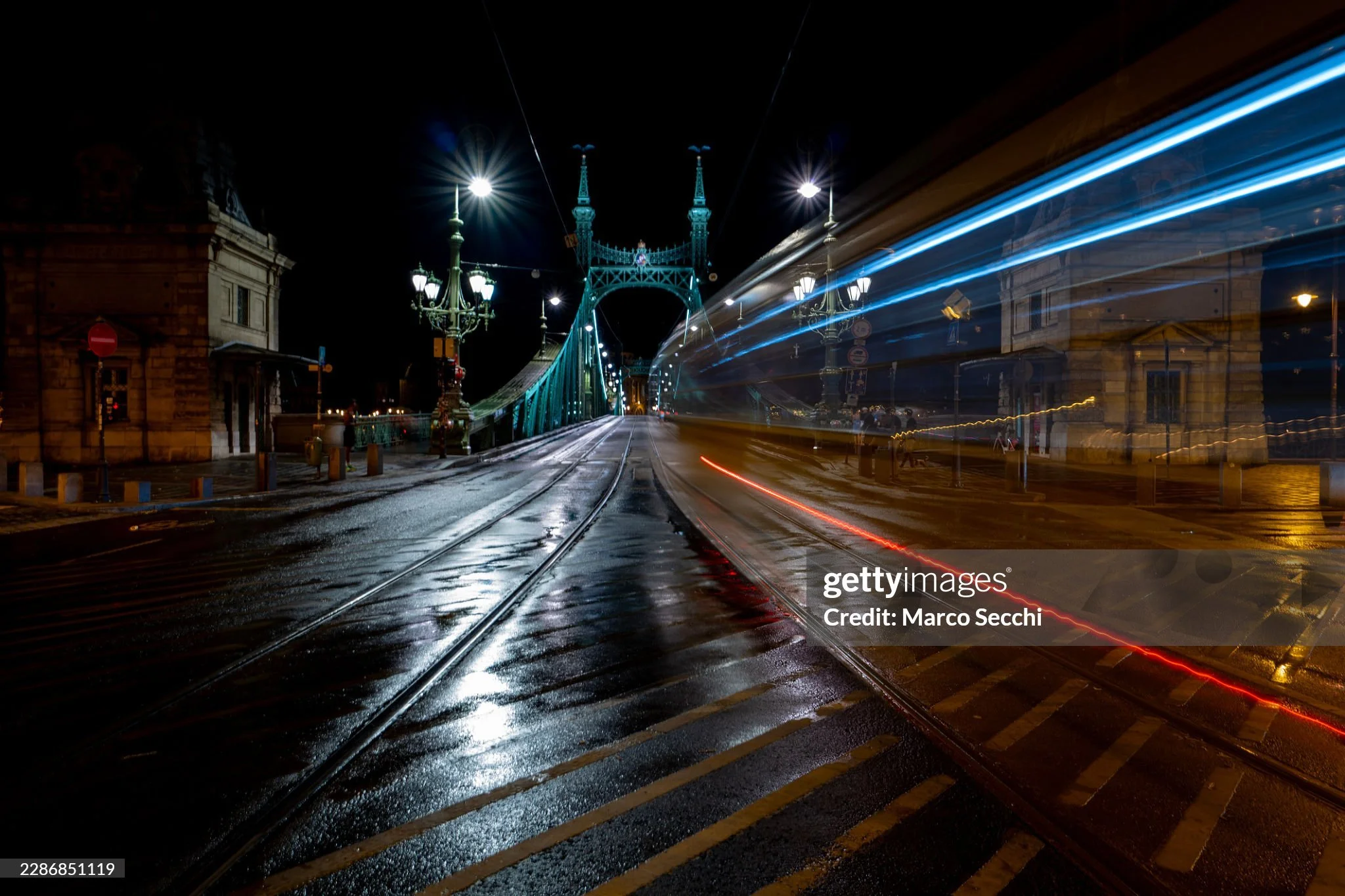
/I did not plan to fall for Hungarian literature. It happened the way most real attachments do, slowly, then completely. Years of walking Budapest in winter light, of long car drives (now buses) through the countryside, of afternoons in coffeehouses scattered across the city, visiting antique shops in Lipótváros or “Használtcikk” in the countryside, when eventually the books found me. Or I found them. Either way, they stayed.
There is a particular quality to this literature that I have not found elsewhere. A melancholy that is never self-pitying. A wit that survives the worst of the twentieth century intact. A sense of place so precise you can smell the courtyards and hear the trams. These are writers who understood that a country can be lost twice, once on a map and once in memory, and who wrote accordingly.
Here are the nine I return to, and the one who started it all.
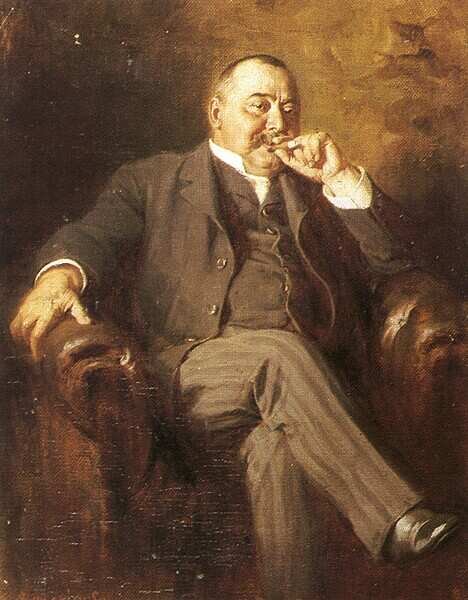
Kálmán Mikszáth
The one who started it all
Kálmán Mikszáth, St. Peter's Umbrella and The Siege of Beszterce
Mikszáth is where I begin every conversation about Hungarian fiction, because he is where I began. His prose has the warmth of a village storyteller and the sharpness of someone who has seen through every institution he is describing. St. Peter's Umbrella is a fable disguised as a comedy of manners. The Siege of Beszterce is even better, a satire on faded aristocracy and delusion that still lands. Read either one and you will understand why nineteenth century Hungarian countryside life feels, in his hands, both absurd and tender.
My list
1. Antal Szerb, Journey by Moonlight
A honeymoon in Italy unravels into something closer to a haunting. Szerb writes about nostalgia, death, and the pull of the past better than almost anyone I have read, Hungarian or otherwise. This book has followed me on more than one train through the Balkans.
2. Dezső Kosztolányi, Kornél Esti
Kosztolányi split himself into two characters here, and the result is playful, philosophical, and strange in the best way. Esti is charming and unreliable in equal measure. It reads like a series of confessions from someone who never quite trusts his own confessions.
3. Dezső Kosztolányi, Skylark
A quieter, sadder book than Kornél Esti, and maybe the more devastating one. A week in a provincial town, an unremarkable daughter, and a portrait of ordinary disappointment so precise it hurts. This is small-town Hungary rendered with total honesty.
4. Magda Szabó, The Door
If you read only one book on this list, make it this one. The relationship between a writer and her housekeeper becomes a study in guilt, control, and the limits of understanding another person. Szabó does not flinch. Neither should you.
5. Magda Szabó, Abigail
Set in a girls' boarding school during the war, this is Szabó at her most suspenseful. A coming of age story wrapped around a mystery, with the shadow of history pressing in from every direction. I did not expect to be gripped the way I was.
6. Sándor Márai, Embers
Two old friends, one long conversation, decades of buried resentment. Márai builds tension out of nothing but talk and memory, set in a crumbling castle that feels like the last outpost of a world that no longer exists. This is Budapest and its lost empire in a single room.
7. Antal Szerb, The Pendragon Legend
Szerb again, this time in a completely different register. Gothic mystery, dry humour, an English country house, and a narrator who treats the supernatural with polite skepticism. Proof that Szerb could do more than melancholy.
8. Magda Szabó, The Fawn
A confessional monologue from an actress looking back on a childhood of poverty and envy. Szabó is unsparing here, maybe more than in The Door. It is not always comfortable reading, but it is honest in a way I keep coming back to.
9. Gyula Krúdy, Sunflower
Krúdy writes the Hungarian countryside like nobody else, half real, half dream. This novel drifts between love and longing with a strange, hypnotic rhythm. It is the closest thing in prose to the light on the Puszta at dusk.
Where to start
If you want the melancholy first, start with Márai or Szerb. If you want the countryside, start with Mikszáth or Krúdy. If you want to be quietly devastated, start with Szabó. However you come in, I think you will understand why I keep coming back to this small, extraordinary literature.