Venice with Teenagers: How to Make the City Work for Them, Not Against Them
/Venice can be magical with teenagers, but only if you stop trying to sell it to them like a museum.
This is the mistake many families make. They arrive with a list of “must-see” places, a stack of tickets, and the belief that Venice will automatically impress everyone because it is Venice.
It does not always work that way.

Teenagers are sharp judges of artificial enthusiasm. They can tell when they are being marched through someone else’s idea of culture. They can also tell when a place is genuinely strange, beautiful, alive, and worth paying attention to.
Venice has all of that. The trick is not to over-explain it.
The best way to experience Venice with teenagers is to give them space, rhythm, and a reason to look.
Start early, or start late. Midday Venice, especially in summer, can be a punishment. It is hot, crowded, slow, and often frustrating. Early morning is completely different. The city is quieter, the boats are working, the light is better, and Venice feels like a real place rather than a visitor machine.
Teenagers often respond well to that version of Venice because it feels less staged. There are delivery boats, empty bridges, people going to work, cafés opening, and narrow streets that still feel half-asleep. You do not need to give a lecture. Just walk.
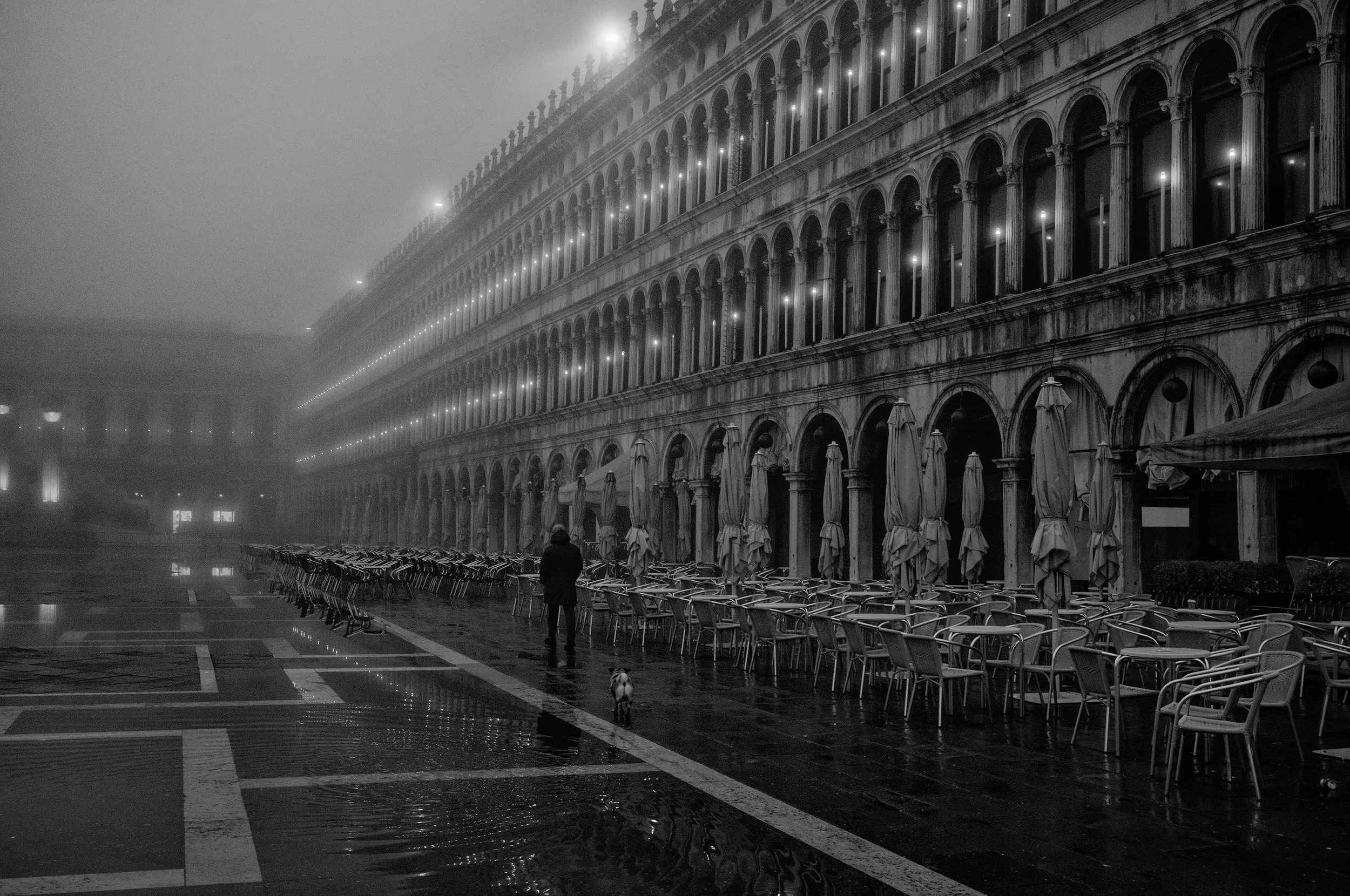
The same is true at dusk. When the day-trippers leave and the light starts dropping, Venice becomes more cinematic. Reflections appear in the canals, shop windows glow, and the city gains a different kind of energy. This is often a much better time for families than dragging everyone through the busiest parts of town at noon.
Do not try to see everything. This is good advice for anyone visiting Venice, but with teenagers it becomes essential.
Pick fewer places and let the city breathe between them. A walk through Cannaregio, a crossing on a traghetto, a stop for cicchetti, a quiet campo, a view across the lagoon, these can do more than another forced museum visit when everyone is already tired.
That does not mean skipping the famous places. St Mark’s Square, the Rialto, the Grand Canal, and the Doge’s Palace still matter. But they work better when they are not treated as boxes to tick. Go early. Go with a purpose. Give some context, then move on before boredom wins.
Places in Venice That Usually Work Well with Teenagers
The secret is not to find “teen attractions”. Venice is not that kind of city, thankfully. The trick is to choose places with atmosphere, texture, curiosity, and a little freedom.
Libreria Acqua Alta is an obvious one, but it works. Yes, it is famous now. Yes, it can be busy. But for teenagers it still has that slightly chaotic, theatrical quality that makes Venice feel different from anywhere else. Books in gondolas, cats, narrow corners, strange staircases, and that sense of organised disorder. Go early if you can, and do not treat it like a checklist stop. Let them explore.
Serra dei Giardini, often called Bar della Serra, is another good pause. It is not a monument, and that is the point. It gives everyone a break from stone, crowds, and bridges. A greenhouse café near the Giardini, plants, shade, coffee, something cold to drink, and a calmer rhythm. With teenagers, these places matter. You cannot run a whole Venice day on churches and palaces.
Fondamenta della Misericordia and Cannaregio are excellent for families because they feel more lived-in. There are cafés, bars, small restaurants, locals, students, canals, and enough movement to keep things interesting without the pressure of the main tourist routes. It is a good area for an evening walk, especially if you want Venice to feel real rather than decorative.
The Jewish Ghetto can also work very well with teenagers, especially if they are curious about history. It is compact, powerful, and visually distinct. The story is not light, but it is important, and Venice becomes more meaningful when young people understand that the city is not just beautiful. It is layered, complicated, and sometimes uncomfortable.
Squero di San Trovaso is a good quick stop because it shows Venice as a working city. Seeing where gondolas are repaired is often more interesting to teenagers than another façade explained from the outside. It is visual, simple, and memorable. You do not need to overdo the explanation.
Campo Santa Margherita can be useful, especially later in the day. It has a younger energy, students, cafés, and a more relaxed feel. It is not “hidden”, and it is not always elegant, but it is alive. Sometimes that is exactly what teenagers need after too many narrow streets and historical explanations.
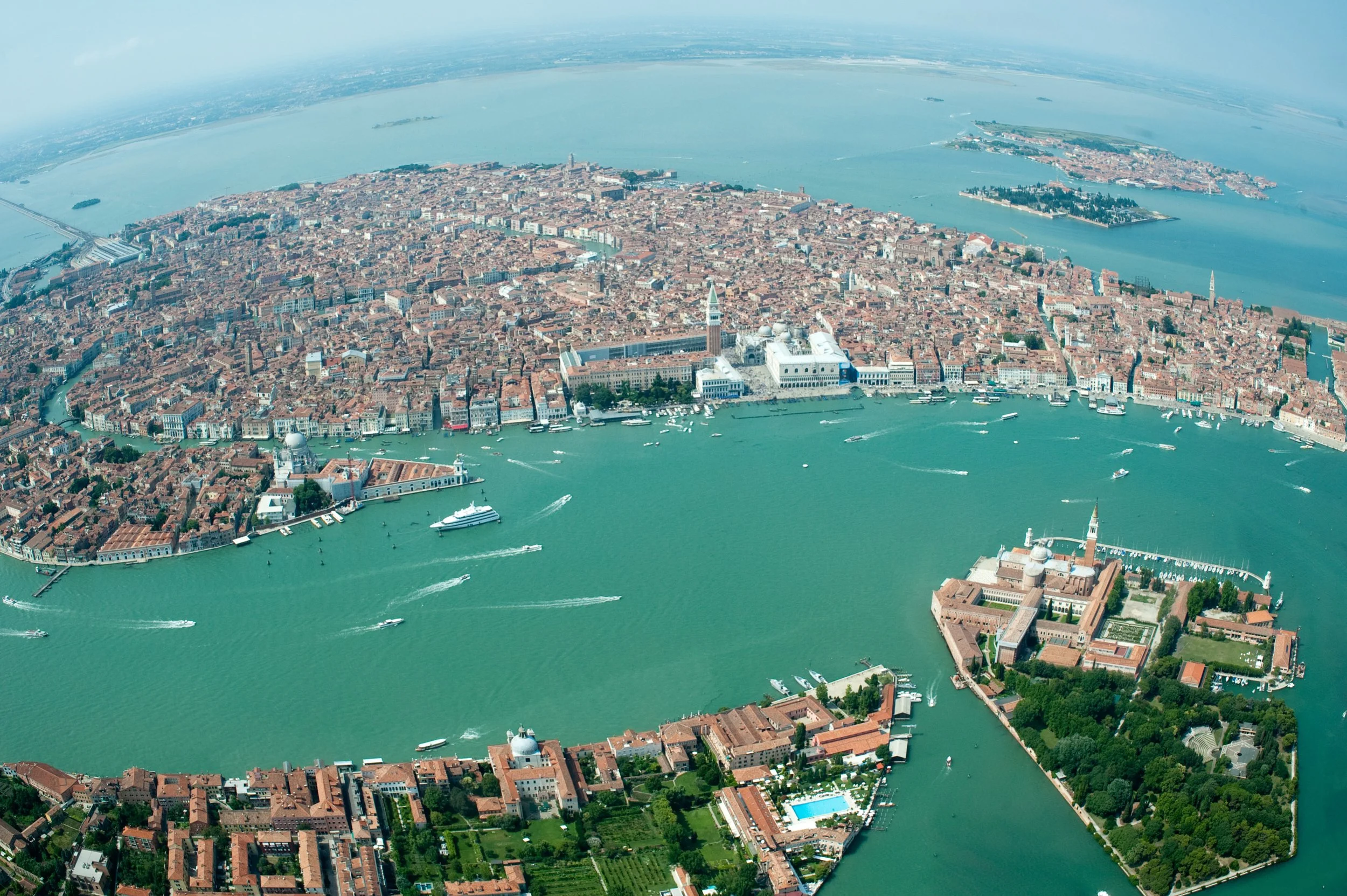
Giudecca is worth considering if you want space. The views back towards Venice are superb, but the island also gives everyone a psychological reset. Fewer crowds, wider waterfront, different rhythm. For teenagers who get overwhelmed by the density of Venice, Giudecca can make the city feel breathable again.
San Giorgio Maggiore is one of the best ways to give them a big view without making the day feel like a forced cultural lesson. The boat ride helps, the island is calm, and the view from the bell tower can make the geography of Venice suddenly make sense. Sometimes teenagers need to see the whole thing from above before the maze below becomes interesting.
Burano can work, but with a warning. The colour is spectacular and very photogenic, which many teenagers enjoy. But it can also become another overcrowded postcard if you go at the wrong time. Early or late is better. Do not rush there just because everyone says you must. Go because colour, boats, reflections, and the slower lagoon atmosphere fit your day.
The Arsenale area is good for teenagers interested in history, military engineering, design, or simply places that feel a little more dramatic. The gates, walls, and scale remind you that Venice was not just romantic. It was powerful. That is often a more interesting way into the city for teenagers than another pretty bridge.
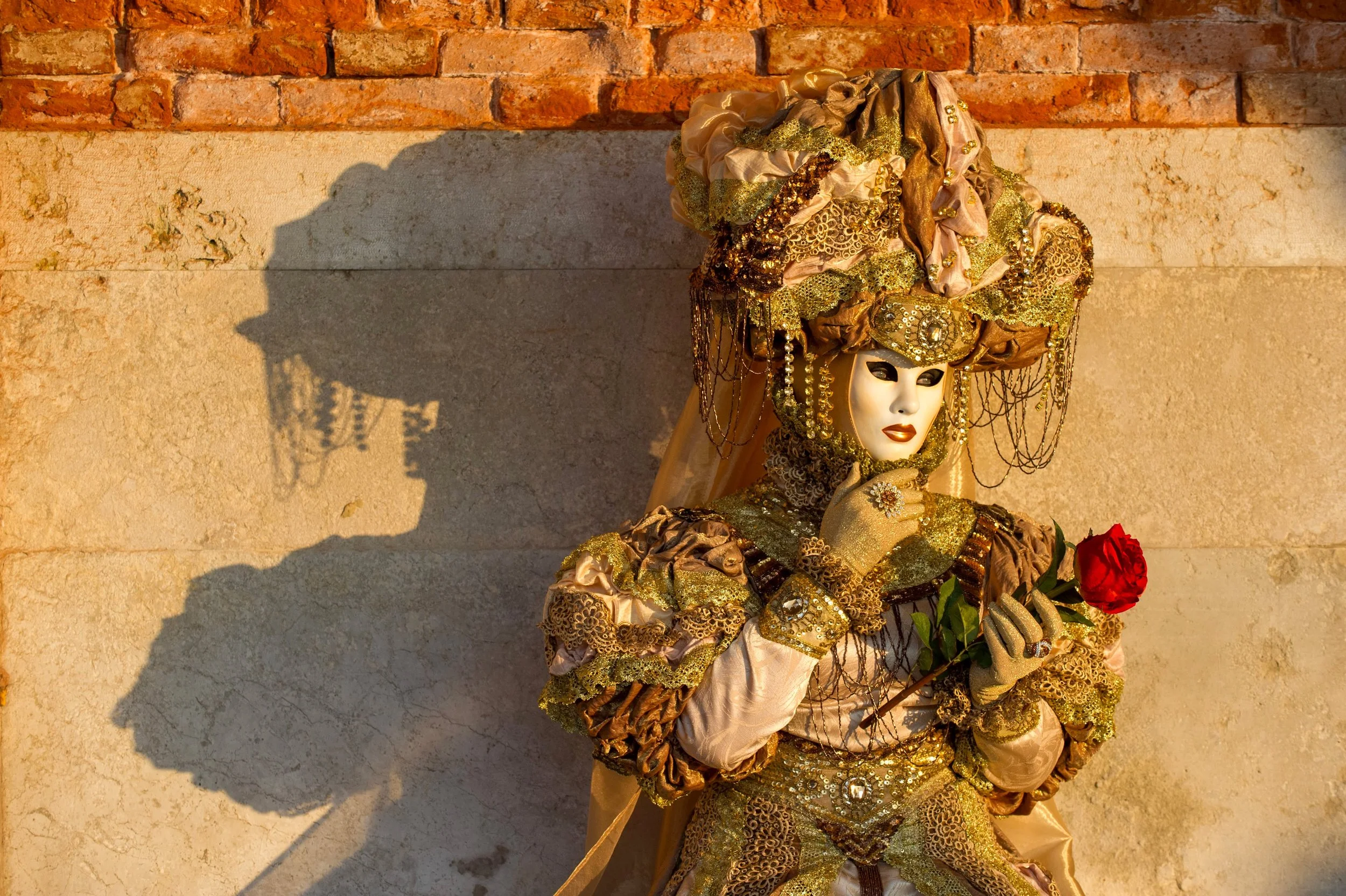
And then there are the small stops: a traghetto crossing, a mask-maker’s window, a quiet campo, a bakery, a gelato stop, a vaporetto ride along the Grand Canal, or just ten minutes sitting by the water doing nothing.
These are not filler moments. With teenagers, they are often the moments that save the day.
Let Them Have Some Control
One of the best things about Venice for teenagers is that it rewards curiosity.
There are no cars. The city is walkable, confusing, layered, and full of small discoveries. A strange door, a mask shop, a boatyard, a hidden courtyard, a cat in a window, a bridge with a view, these are not distractions from Venice. They are Venice.
Give teenagers some control. Let them choose a direction, a café, a shop, or a photo stop. If they like photography, Venice is perfect. If they like history, the city is full of stories. If they like fashion, design, architecture, food, boats, film, or slightly strange places, Venice has something for them.
The key is to connect the city to their interests, not force them to admire it on command.
Food also helps, obviously.
Not every meal needs to become a grand Venetian dining experience. Sometimes a simple stop for pizza, gelato, tramezzini, or cicchetti is exactly what keeps the day moving. Teenagers are far more likely to enjoy Venice if they are not hungry, overheated, and trapped in a two-hour restaurant lunch they never asked for.
And please, do not underestimate walking.
A good walk in Venice can be more memorable than a packed itinerary. The city is built for wandering, but not aimless wandering in the lazy sense. It is built for attentive wandering. Turn left because the light looks interesting. Follow a canal because it is quiet. Cross a bridge because something is happening on the other side.
That is often where Venice becomes real.
The worst version of Venice with teenagers is rushed, crowded, hot, and over-scheduled.
The best version is slower, sharper, more curious. A city of boats, shadows, stories, food, light, and small surprises.
Teenagers do not need Venice simplified for them.
They need it made alive.